Financial Planning

National Financial Awareness Day: Understanding Its Significance
National Financial Awareness Day is an annual initiative, typically held in August, that educates the general public about investing. This event encourages individuals to understand the importance of investing, learn about the processes involved, and ultimately work toward more informed investment decisions.

Target Date Funds: Understanding Their Pros and Cons
Target date funds (TDFs), also known as lifecycle or age-based funds, are mutual funds that automatically adjust their asset allocation over time, becoming more conservative as the investor’s selected retirement date approaches. The underlying principle of TDFs centers on an optimal risk-reward trade-off that accounts for an individual’s investment horizon.
How TDFs work
The operation of TDFs is rooted in a glide path, a formula that dictates changes in asset allocation over time. Initially, the fund leans towards riskier assets, such as stocks, to capitalize on their potentially higher long-term gains. As the target date approaches, the fund steadily shifts towards less risky assets to help protect the accumulated wealth.
For instance, a Target Date Fund set for 2050 might start with an 80%-20% stocks-bonds ratio in 2021. Over the years, this ratio could shift toward a 40%-50%-10% stocks-fixed income mix by 2050, thereby potentially lowering risk as the investor nears retirement.
Pros of TDFs
There are several pros to TDFs:
- Simplicity and convenience – TDFs handle asset allocation and rebalancing, making them a convenient investment option for those with limited financial knowledge or time. Investors need to pick a fund with their anticipated retirement date, and the fund manager handles the rest.
- Automatic rebalancing – The fund’s asset mix adjusts automatically, eliminating the need for investors to re-evaluate and rebalance their portfolios manually.
- Diversification – TDFs offer exposure to various asset classes, working toward an inherently diversified portfolio that can reduce risk and provide steadier returns.
Cons of TDFs
TDFs may not be appropriate for everyone:
- One-size-fits-all approach – TDFs assume that all investors with the same target date share the same risk tolerance. However, individual financial situations, retirement goals, and risk appetites vary, which may make TDFs less suitable for some investors.
- Lack of flexibility – Once invested in a TDF, an investor has little to no control over the fund’s asset allocation. This can be disadvantageous in certain market conditions where an investor may prefer to take a more active role in managing their investments.
- Potential for higher fees – TDFs may have higher expense ratios because they are essentially fund-of-funds, meaning the investor pays management fees for the TDF itself and the underlying funds it invests in.
- False sense of safety – The automatic adjustment of the asset mix may lead some investors to believe their investment is “less risky”. However, all investments carry inherent risks, and TDF performance can fluctuate.
In conclusion, while Target Date Funds offer convenience and diversification, investors must understand their limitations. TDFs may not fit everyone’s unique financial circumstances, and their fees can be higher. Each investor should carefully evaluate their needs, risk tolerance, and retirement goals before selecting an investment strategy suited to their situation.
SW 5577024-0626d This material is for educational purposes only and is not intended as investment, legal, or tax advice. Before making any decisions regarding your personal financial situation, you should consult a registered financial professional Target Date Funds (TDFs) are designed for investors planning to retire around a specific year. The principal value of a target date fund is not guaranteed at any time, including at the target date. The glide path represents the shifting of asset allocation over time, and there is no assurance that any fund will achieve its investment objective or provide sufficient retirement income. Target Date Funds are subject to the risks and expenses of the underlying mutual funds in which they invest. Higher expense ratios can impact overall investment returns over time. A prospectus containing detailed information regarding a fund’s investment objectives, risks, charges, and expenses can be obtained from your financial professional. Read it carefully before investing. Investments involve risk and, unless otherwise stated, are not guaranteed. Past performance is not indicative of nor does it guarantee future results. Diversification does not ensure a profit or protect against loss. The source(s) used to prepare this material is/are believed to be true, accurate and reliable, but is/are not guaranteed.
Sources:
https://www.investopedia.com/terms/t/target-date_fund.asp
https://www.plootus.com/blogs/understanding-targetdate-funds-pros-and-cons-for-retirement-savers
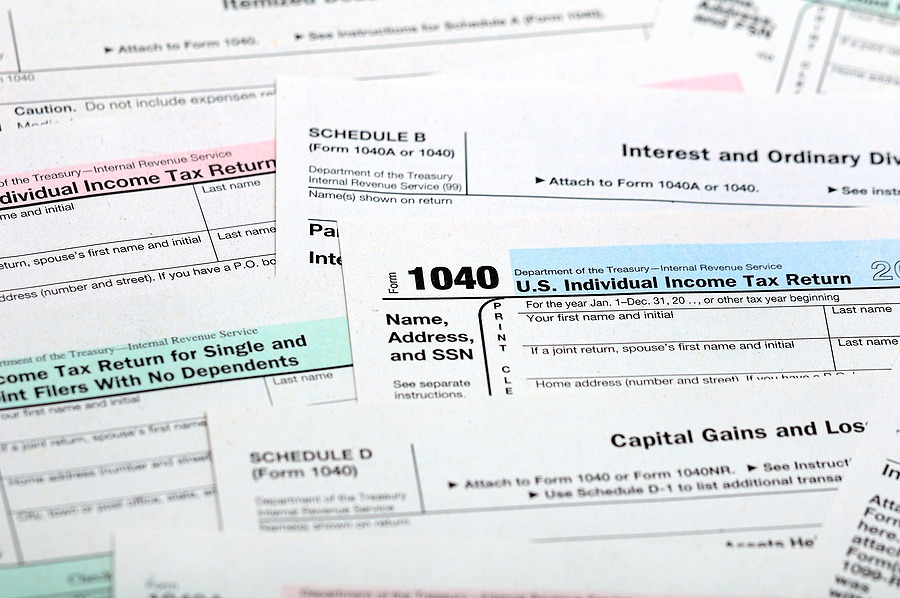
Understanding the Difference Between Income Tax and Capital Gains Tax
In the realm of taxation, two terms often surface: income tax and capital gains tax. Both are crucial aspects of an individual’s tax obligations. However, these two terms refer to different types of income taxes, each with its own rules and regulations. Investors must understand these financial concepts as they may impact their situation.
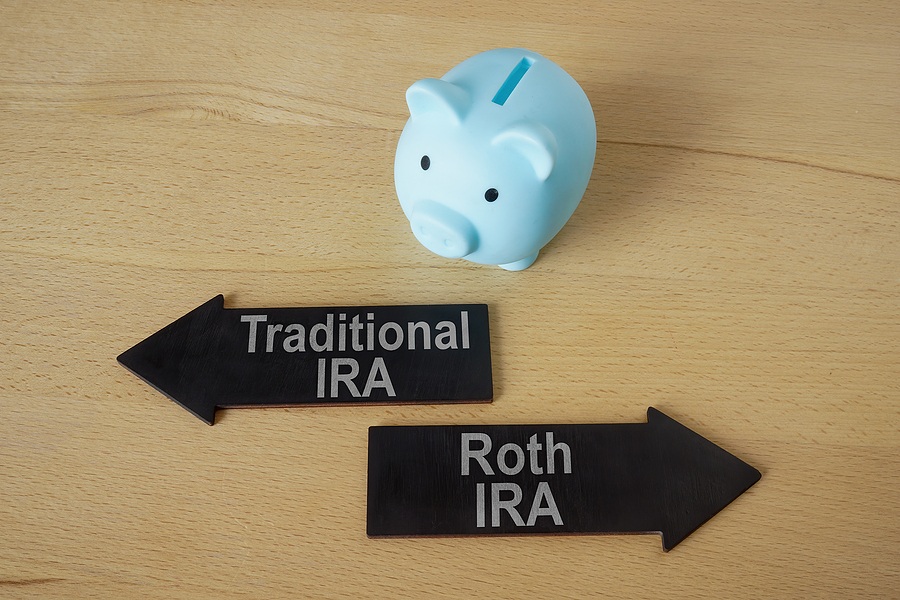
Minding Future Taxes: Traditional IRA vs. Roth IRA
When considering retirement savings options, it is paramount to understand the tax treatment of the various types of retirement accounts upon distributions. Traditional IRAs and Roth IRAs each offer unique features and have different tax implications that impact one’s retirement strategy. Here are the differences to be aware of.

Financial Aid Awareness Month – How to Make the Most of Financial Aid
February is recognized as Financial Aid Awareness Month, an excellent opportunity for students and families to learn more about the various types of aid available and how to maximize their benefits. Financial aid, whether in the form of grants, scholarships, or loans, is vital in helping many students afford the rising costs of education.